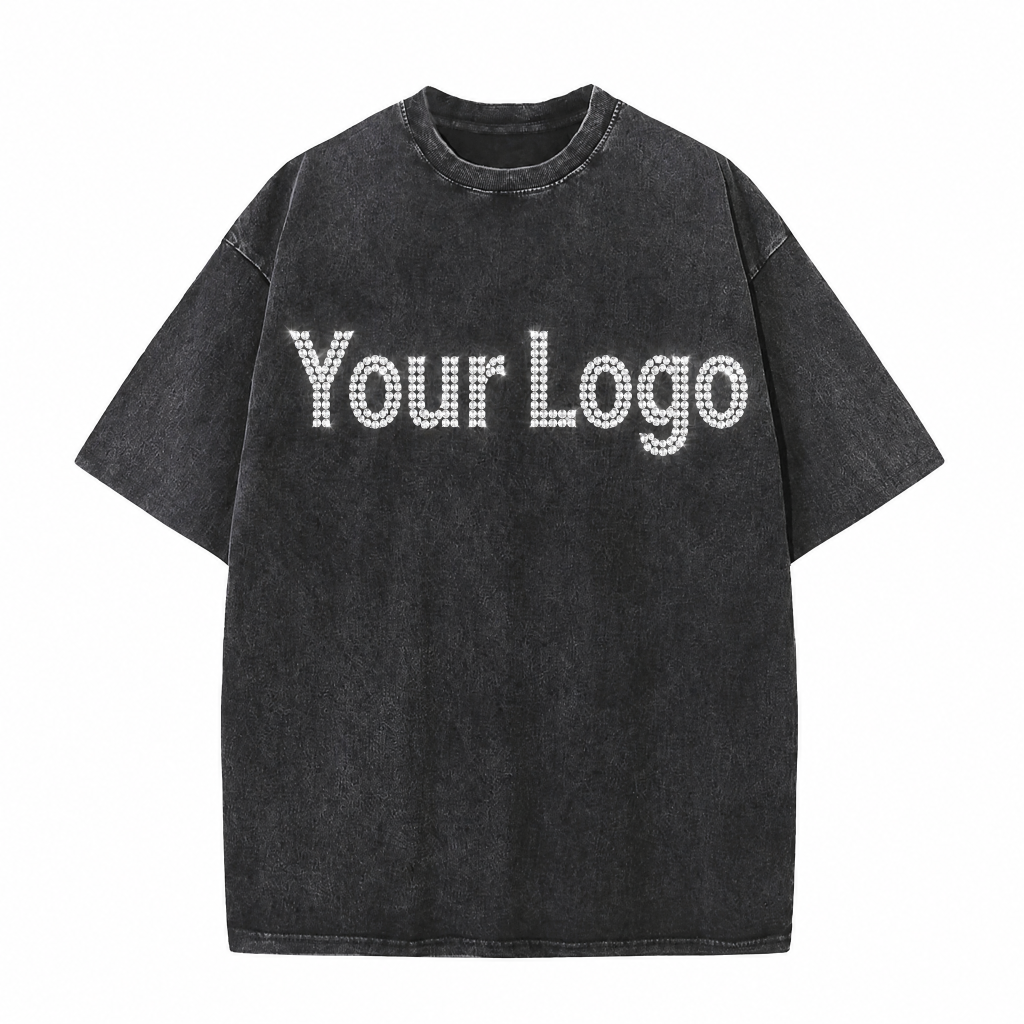
Hip Hop Streetwear Oversized Cotton T-Shirt with Personalized Custom Graphics
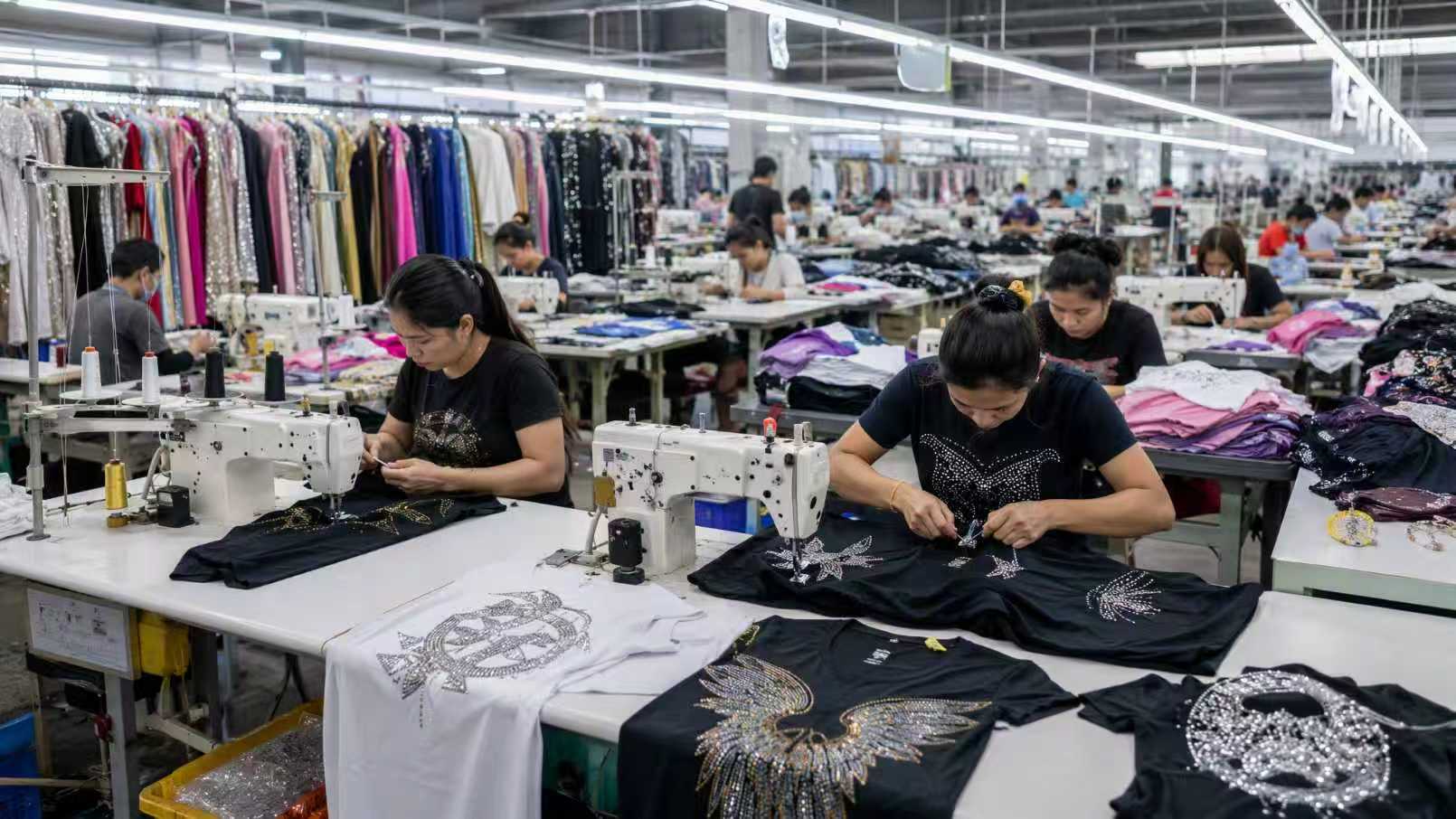
One-stop custom rhinestone T-shirt manufacturing: in-house design team, rhinestone factory and garment factory
Heavyweight 220–280 GSM combed cotton in a boxy oversized drop-shoulder streetwear fit
Personalized one-off graphics and large-volume brand runs handled on the same production line
Hot-fix rhinestone and heat transfer film decoration for dense, sharp crystal graphics
Sample-first workflow: artwork proof, physical sample approval, then bulk production
Summer-friendly heavyweight options that stay wearable in hot weather
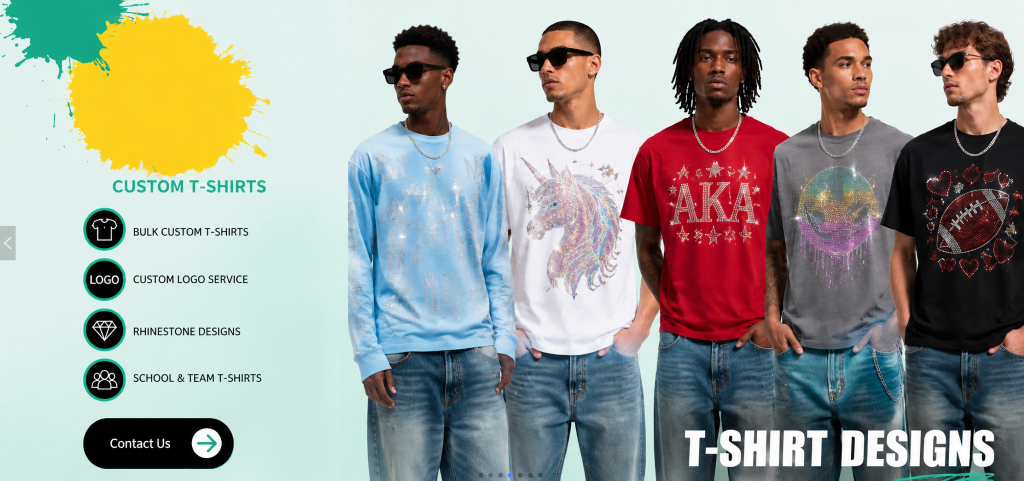
Hip hop streetwear styling for brand launches, event merchandise and influencer drops
Summer Heavyweight Rhinestone Printed Shirt: Hip Hop Streetwear Oversized Cotton T-Shirt with Personalized Custom Graphics
A summer heavyweight rhinestone printed shirt is an oversized cotton T-shirt — usually 220–280 GSM — decorated with heat-fixed rhinestones and printed graphics across the chest, back or sleeves. This guide explains how that garment is actually built, and how to order it as a personalized custom graphic T-shirt for a single one-off piece, a team drop or a full streetwear collection. Bling Bond Apparel is a rhinestone apparel manufacturer with three capabilities under one roof: an in-house design team, our own rhinestone factory and our own garment factory.
If you are building a hip hop streetwear shirt line, the difference between a shirt that sells out and one that sits in the warehouse is rarely the graphic. It is the fabric weight, the fit pattern, and whether the stones stay on after twenty washes.
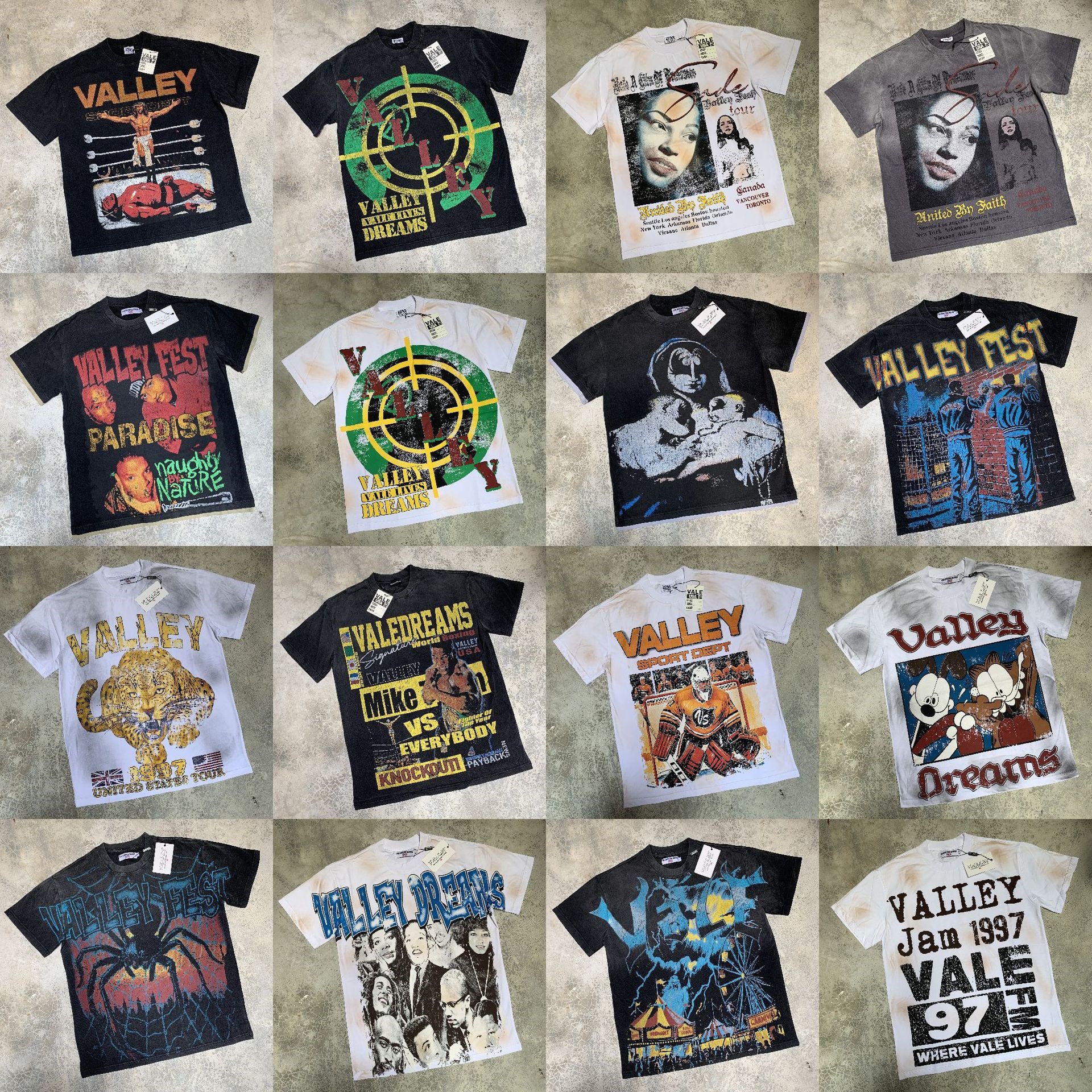
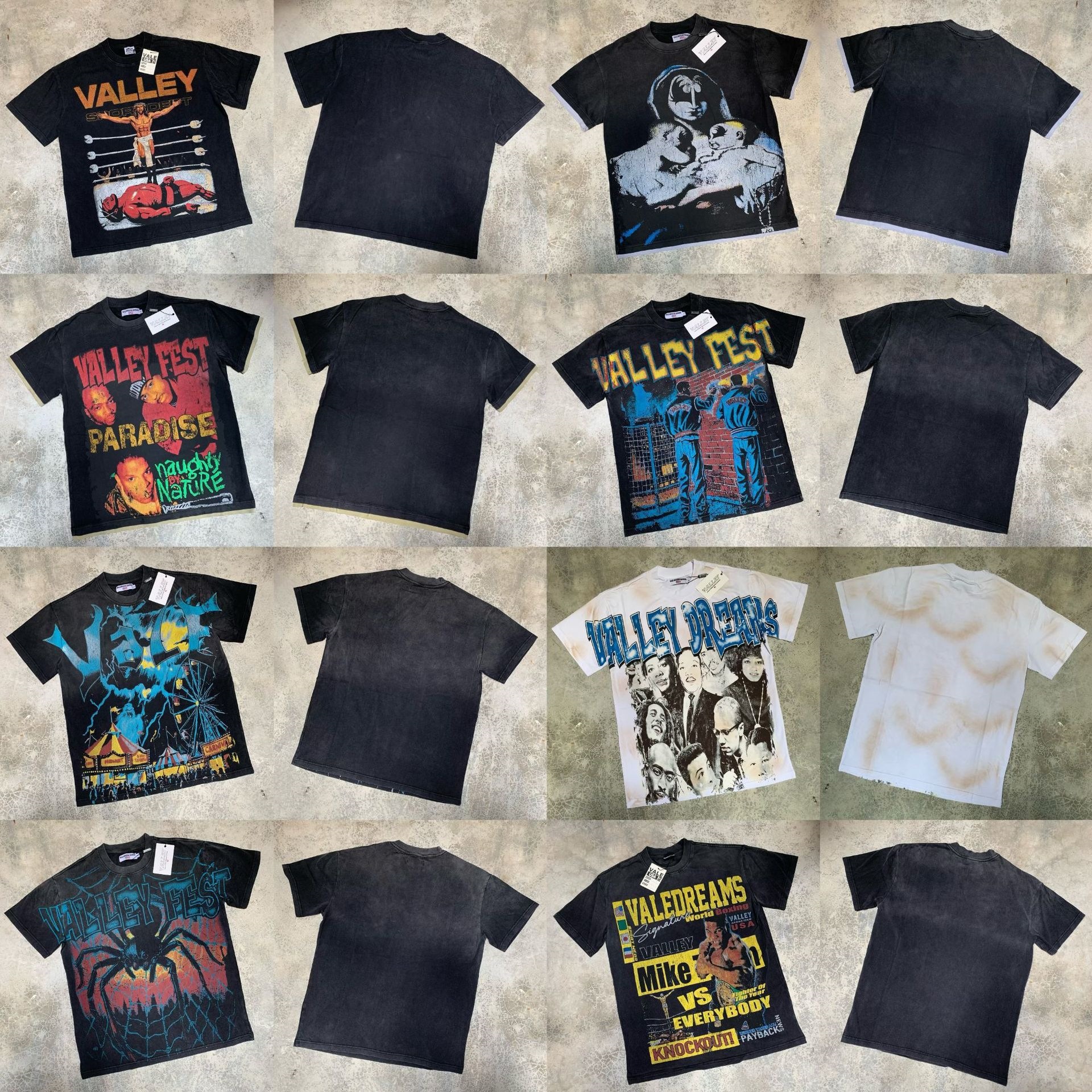
What "Heavyweight" and "Oversized" Actually Mean in Streetwear Cotton T-Shirts
Two words get used loosely in this category. Both change the cost and the pattern, so start here.
Fabric weight: the 220–280 GSM range
Fabric weight is measured in grams per square meter. A standard promotional tee sits around 150–180 GSM: it is cheap, it breathes, and it collapses onto the body. Streetwear sits higher.
For a summer heavyweight tee, 200–240 GSM combed cotton is usually the practical ceiling: you keep the boxy silhouette without the shirt turning into a wearable blanket in July. Going to 280 GSM in summer only makes sense in light colorways with an open, breathable knit.
Combed cotton is worth the small premium on a shirt this visible. Combing removes short fibers before spinning, which gives a smoother surface for print and rhinestone adhesion, less pilling, and less surface fuzz that would otherwise sit between the stone and the fabric.
Oversized fit is a pattern, not a size chart
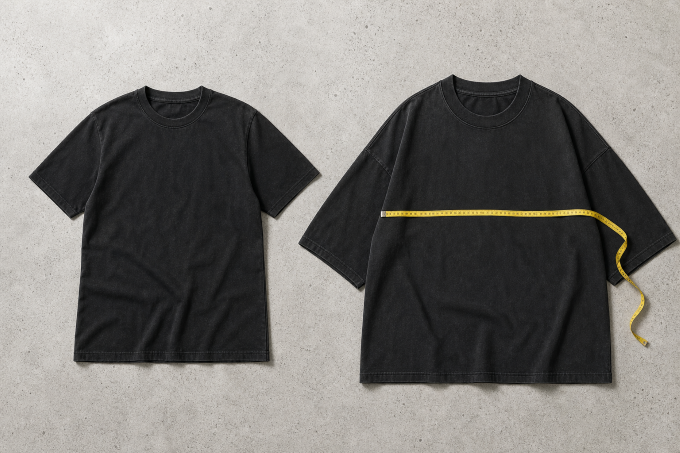
An oversized tee is not a large tee. It is a different pattern block:
Drop shoulder — the shoulder seam falls below the shoulder point, which softens the silhouette and gives the wide, slouchy line that hip hop styling is built on.
Boxy body — chest and hem widths are closer to each other, with a straighter side seam and less waist taper.
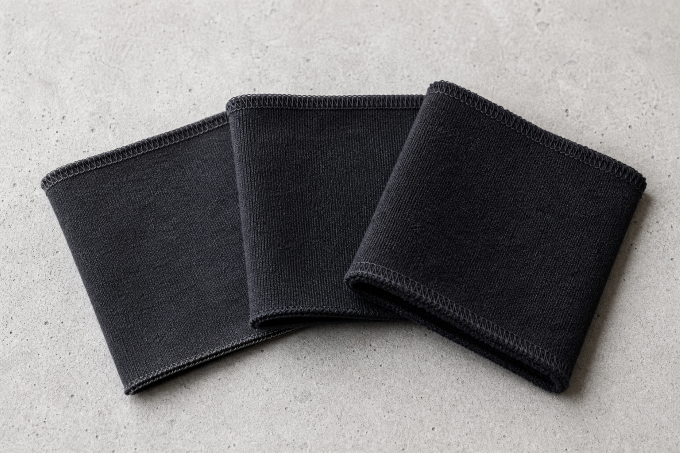
Wider, higher neck rib — commonly a 1x1 or 2x2 rib at 2–3 cm so the collar holds its shape instead of stretching out.
Longer body and slightly longer sleeve — this is what lets the shirt look deliberate when it is worn untucked.
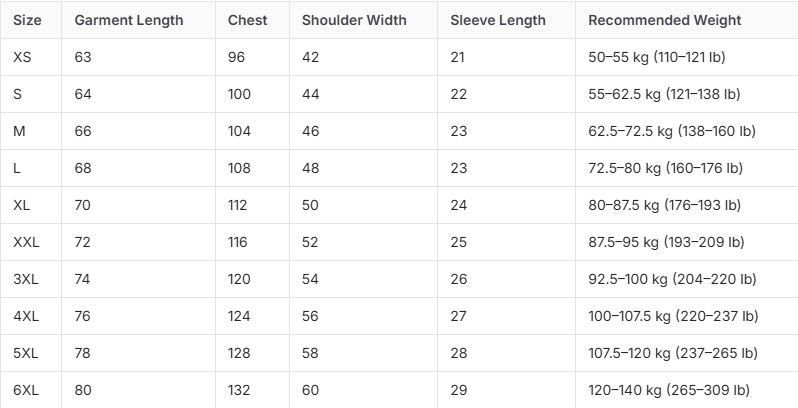
Because the pattern is separate, size grading matters: a brand that wants S through 2XL, or an extended S through 5XL curve, needs the pattern graded properly, not scaled up from the medium.
Why Rhinestones Change the Way the Shirt Is Built
Rhinestones are not a print. They are a physical, heat-applied component, and they interact with the fabric.
Hot-fix stones vs. heat transfer film
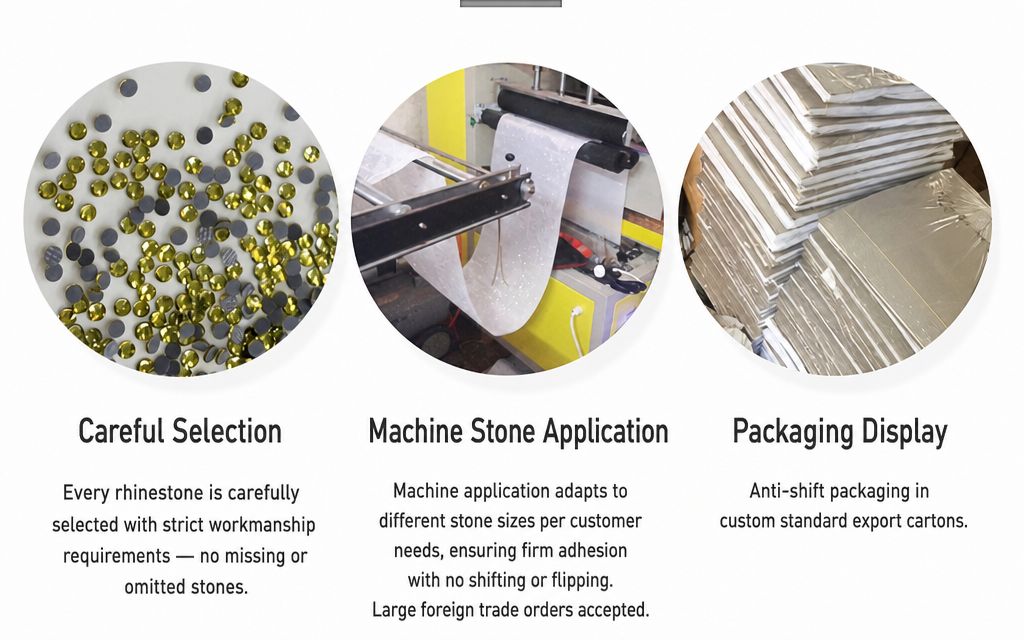
Hot-fix rhinestones are individual stones with a heat-activated glue layer. They are placed by template or machine and then pressed onto the garment. This gives the sharpest detail on fine lettering and the densest possible stone coverage, and it is the method behind most crystal-logo streetwear.
Heat transfer rhinestone designs are pre-set on a carrier film: the full motif is arranged off-garment, then transferred in one press. This is faster for repeated sizes and keeps stone spacing perfectly consistent across a whole production run — which matters when you are producing 300 pieces of the same back graphic.
Stone size, color and finish
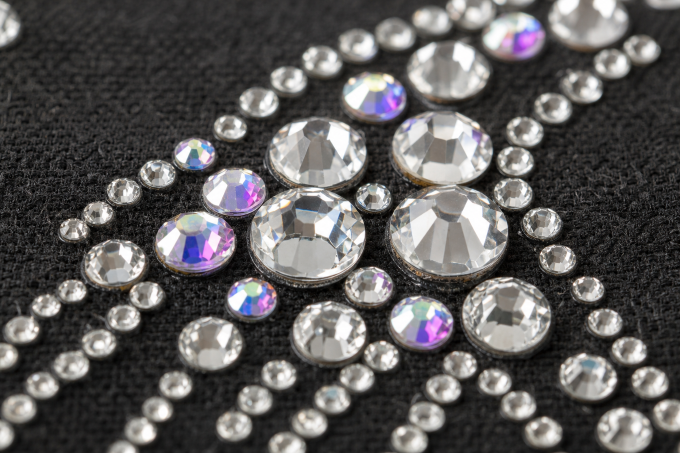
Stone sizing is expressed in SS numbers. SS6 (about 2.0 mm) and SS10 (about 2.8 mm) resolve fine type and tight outlines; SS16 (about 3.9 mm) and SS20 (about 4.7 mm) fill large shapes and read from across a room. Most streetwear graphics work best as a mixed-size motif: small stones for the outline and text, larger stones to fill the interior.
Finish options that sell in this category: crystal (clear), jet black, aurora borealis (AB) with its color-shift flash, metallic, and pearl. Mixing crystal with a single accent color is the most reliable way to make a graphic look premium in daylight and still flash under club lighting.
Heat is the real production risk
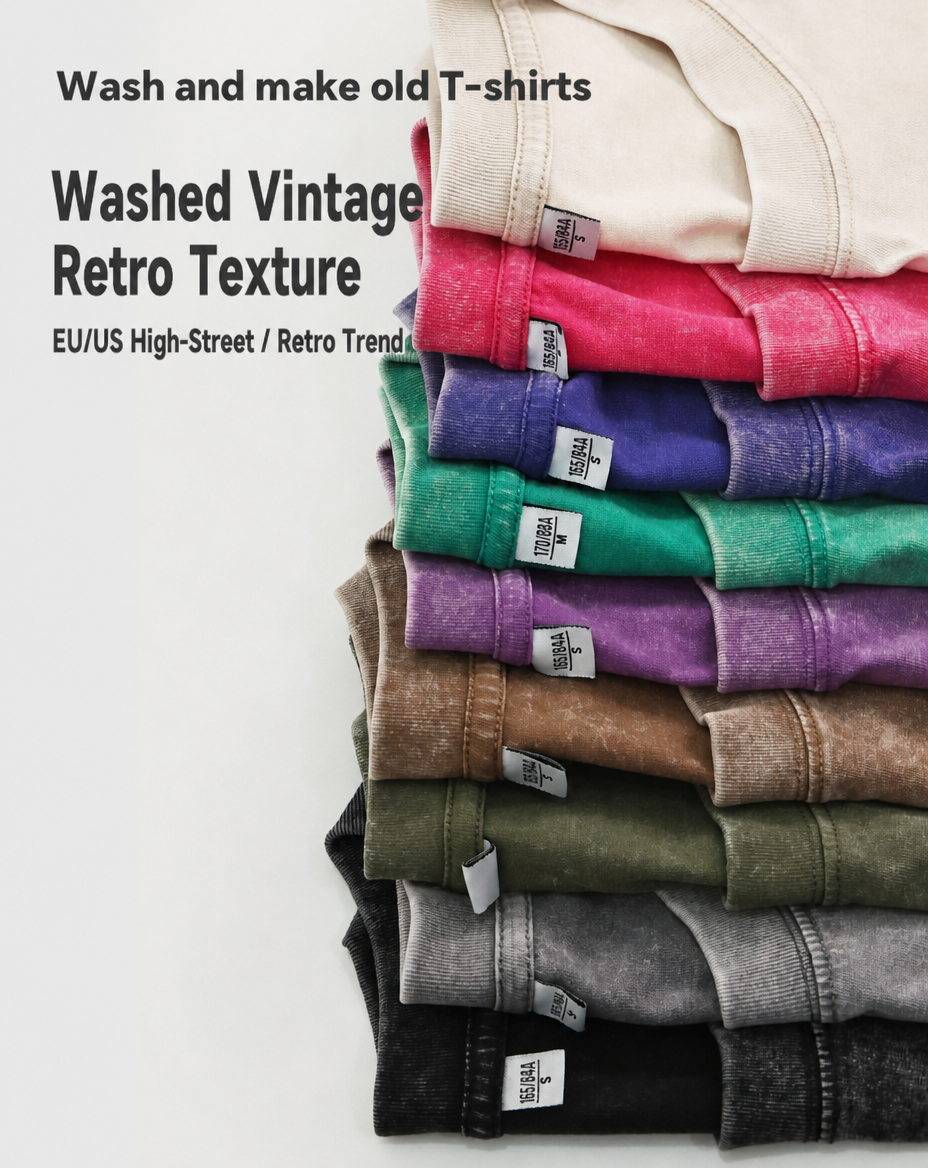
Stone setting happens under a heat press, and cotton does not enjoy being pressed at the wrong temperature. Overheat it and the fabric scorches, shrinks, or takes a permanent shine; underheat it and the glue never cures, so stones start dropping after the first wash. Garment-dyed and pigment-dyed fabrics are the most sensitive.
This is the technical reason to work with a factory that owns both the stone-setting line and the sewing line: the press settings get tested on your actual fabric, not on a generic blank.
Printed Graphics That Survive the Wash on a Heavyweight Cotton T-Shirt
Most streetwear drops combine rhinestones with a printed base. The print method you choose decides how the garment looks after 30 washes.
Screen print (plastisol) — thick, opaque, high-coverage; the standard for bold single-color and spot-color graphics. Best on larger runs because of setup cost.
Water-based and discharge print — soft hand, sinks into the fabric, no plastic feel. Good for heavyweight cotton in summer because it leaves the fabric breathable.
DTF (direct-to-film) — full-color, photographic detail with no plate cost, which makes it the practical choice for small runs and personalized one-off pieces.
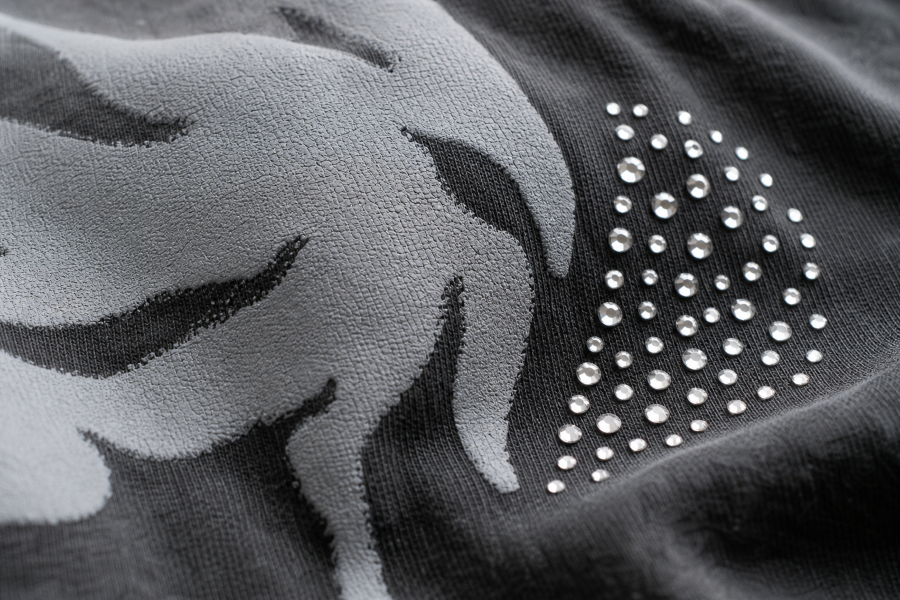
Puff and high-density print — raised, three-dimensional surfaces that pair well with stones for a tactile look.
When you combine print and stones on one shirt, order of operations matters. The ink is printed and cured first; stones are pressed afterward. Where a stone sits directly on top of a thick ink layer, the print can crack under press pressure, so production files should leave a small clearance around stone clusters — or move the heavy stone work off the printed area entirely. Placement is usually: left chest, full back, sleeve hit, and pocket or hem trim.
Personalized Custom Graphic T-Shirt: One Piece or One Thousand
The same factory floor handles both ends of the range, and the workflow is identical up to the sample stage. A custom rhinestone t-shirt ordered for one person and a run of 500 pieces differ mostly in logistics, not in decoration process.
One-off personal orders. Send a name, a date, a rough sketch or a low-resolution photo. Our design team redraws it as a buildable vector and turns it into a rhinestone template — specifying stone size, color and placement — plus the print separation if the design mixes both techniques. You approve a digital proof, then the piece is cut, decorated and sewn as a single unit. This is how an anniversary gift, a wedding piece, or a one-of-a-kind stage shirt gets made.
Bulk production for a brand launch. Here the variables multiply: size curve, colorways, per-size stone and print placement, neck labels, hang tags, and packing. A launch order typically needs the pattern graded, the stone template locked, and the decoration run scheduled per size so that a size S back graphic is not pressed with an XL template.
Event, team and influencer orders. Common configuration is a uniform front graphic with individual names or numbers on the back — the same rhinestone or heat transfer base across the whole run, with one variable field.
How the Custom Process Works, Step by Step
Brief and artwork. Send AI, EPS, PDF or SVG if you have it; 300 DPI PNG or JPG also works. Vector outlines matter because rhinestone placement is generated from them. If your file is a screenshot or a phone photo, the design team rebuilds it.
Digital proof. You receive the layout, the stone size and color map, print dimensions and a placement mock-up on the actual garment silhouette.
Physical sample. A real garment in your fabric, weight and fit — so you can check handfeel, drape, stone bond and print opacity instead of guessing from a flat image.
Bulk production. Cutting and sewing in our garment factory; rhinestone setting and heat transfer production in our rhinestone factory. Decoration runs per size, then assembly, then quality control.
QC and packing. Measurement checks against the size chart, stone adhesion checks, wash testing, and final inspection before folding and polybagging.